
Agentic AI is changing SaaS by letting software make decisions and finish tasks on its own. Older SaaS tools follow fixed rules.
AI agents can look at a situation and pick the right action, within limits the business sets.
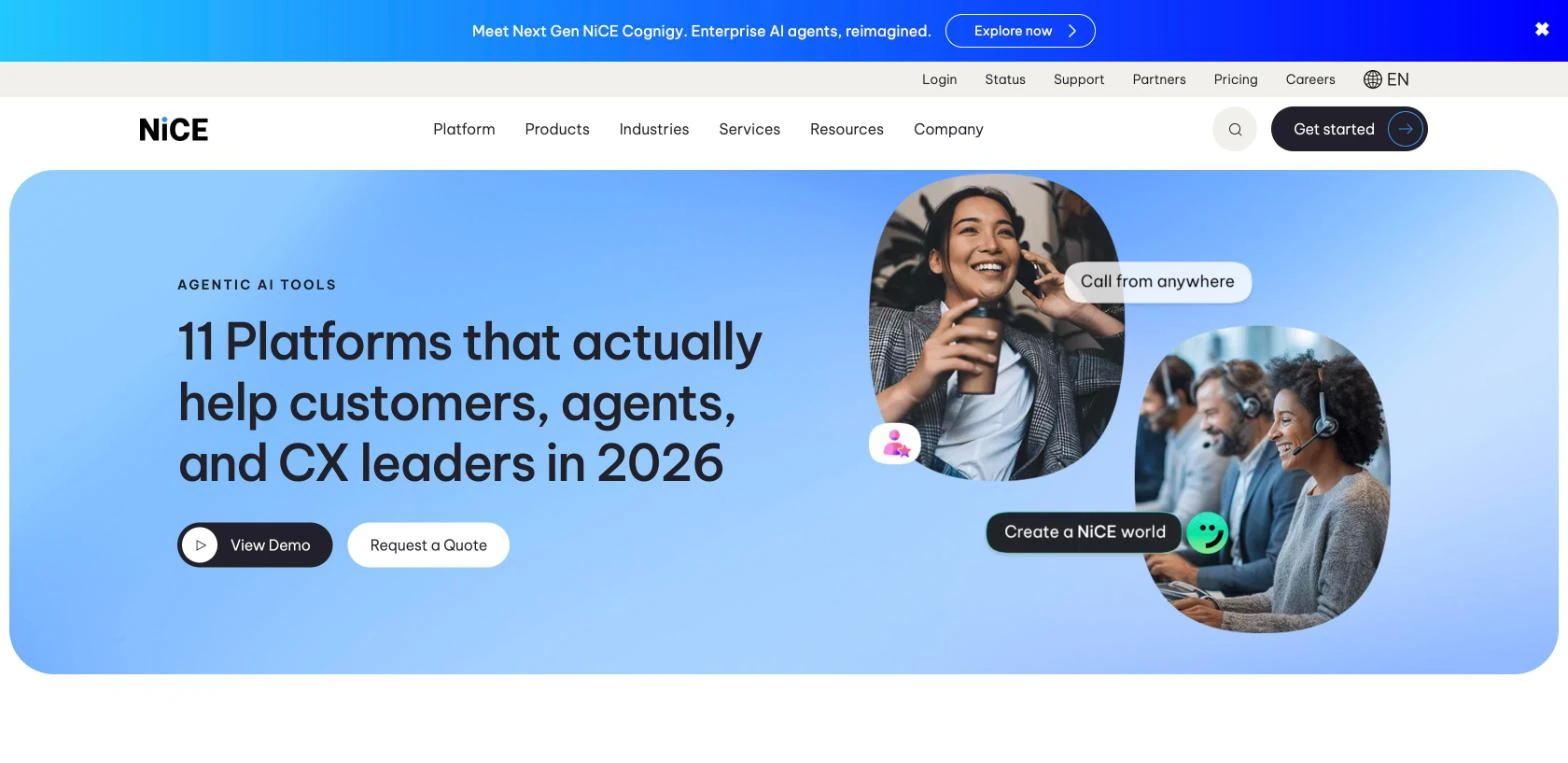
Businesses comparing options such as the NiCE agentic AI platform can see how these tools automate customer service.
They can also check how the tools connect with existing software and run complex workflows. As agentic AI gets easier to buy and use, SaaS companies are rethinking their products.
They are looking again at how those products work, deliver value, and meet changing business needs.
Going beyond fixed rules
Traditional SaaS applications usually follow set rules and workflows to finish repetitive tasks. That works well for routine jobs.
These tools often struggle when things change, or a problem comes up that nobody planned for. Agentic AI handles these moments better. It weighs the information and options in front of it.
Then it picks a suitable action within set limits.
This lets software take the lead in daily work. Before, it mostly waited for a person to tell it what to do. For example, an AI agent can spot a customer complaint that nobody has solved yet.
It can pull up the customer's account details and start the steps to fix the problem. With agents doing this work, staff step in less often. That helps businesses keep up as their work grows more complex.
Better customer support
Customer service is one of the main places SaaS companies now use agentic AI. Older chatbots often stick to scripted replies. They find it hard to answer complicated questions well.
Agentic AI can work out what a customer wants and find the right information. It can then take several actions in a row to solve the request.
This helps businesses give customers a more consistent and personal experience across different channels. AI agents can answer routine questions on their own.
When a matter is sensitive or complicated, they pass it to a person on the support team. Support staff then have more time for the cases that need empathy and expert judgment.
Teams comparing help desk tools can see how AI support is priced in our Freshdesk alternatives guide.
Less manual work between apps
Many companies use several SaaS apps every day, and moving information between them is often slow. Staff spend valuable time copying data and updating records.
They also have to line up tasks across different teams. Agentic AI can make this simpler. It connects apps that work together and runs the workflows that link them.
Here is an example. An AI agent could spot a billing mistake and pull the matching transaction records. It could then write a note for the finance team.
When one workflow handles all of this, there is less paperwork and fewer delays between teams.
Businesses can then spend more time and money on planning and on the work that helps them grow.
If your apps do not talk to each other yet, our guide to the best iPaaS platforms compares tools that link them.
Help with business decisions
SaaS platforms collect a lot of data about customers, daily operations, and money. Turning that data into useful insight is hard without a team of analysts.
Agentic AI can help companies read their data and find patterns they might otherwise miss.
AI agents can go one step further than a report. They can suggest actions based on new trends and on the company's goals.
For example, a subscription management platform could flag customers who seem to be losing interest. It could then suggest ways to keep those customers. People still need to check these suggestions.
They should make sure each one is accurate and makes sense for the business and its priorities.
How companies now choose SaaS tools
Agentic AI is also changing how companies compare and pick software vendors. Buyers now check what a tool can do on its own. They still weigh the usual things, like price and ease of use.
Companies should check whether these features solve a real problem. A tool being new isn't enough to justify buying it.
Check how well the tool connects with your current apps and whether it can grow with you. Look at how clearly it shows what its agents are doing, too.
Before you commit, find out what data the AI agents can reach. Ask what actions they can take inside your other apps. Careful checks help you avoid extra setup costs.
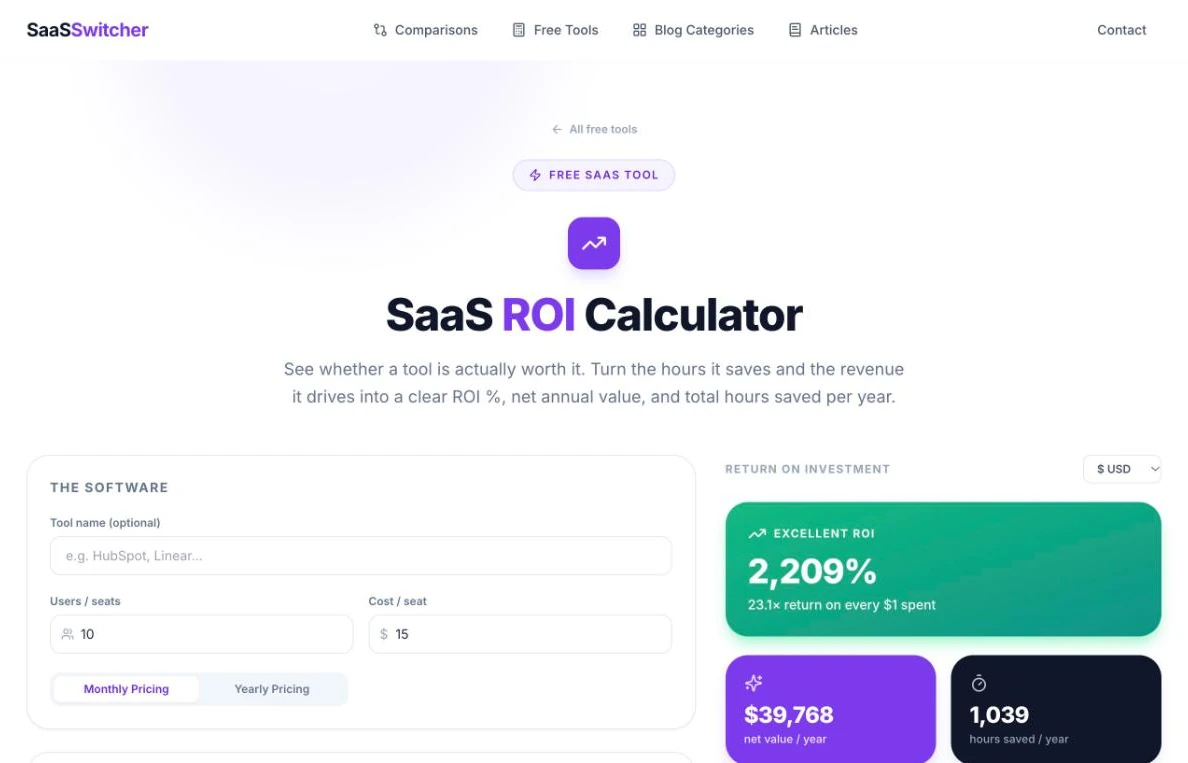
They also help you pick software that supports your goals over time. Our free SaaS ROI calculator can help you check whether a tool is worth what it costs.
Security and control
When software acts on its own, companies take on more work around data protection and access control. They also need clear lines of accountability.
AI agents may need sensitive business data to do their jobs, so the right security controls are essential.
Without good safeguards, an agent's actions could cause mistakes or expose private information.
SaaS providers should build permission controls and activity monitoring into their agentic AI tools. They should also add steps where a person approves an action.
Businesses should set clear rules on which decisions agents can make alone and when a person must sign off.
Used this way, smart automation helps a business without putting security or customer trust at risk.
What to focus on next
Agentic AI is changing the SaaS industry. Software can now handle harder tasks and coordinate work with less human input. It can also support better decisions.
From customer service to daily operations, these tools help companies get more value from the software they already pay for.
As more companies adopt agentic AI, the ones that focus on four things will be in the best spot to benefit: useful features, smooth connections with other apps, clear rules for agents, and human oversight.