
A growing team stays in sync when it builds 5 habits on purpose.
Hold short daily huddles, write down who owns each task, share knowledge across levels, give specific credit, and pick a decision method before each debate.
A team of 8 can coordinate over lunch, but a team of 40 cannot. The break usually starts small.
Two departments promise different things to the same client. A manager hears about a missed deadline from a customer.
The habits that kept a small team in sync stop working as headcount grows.
At 8 people, news traveled through overheard chats and quick favors, and one person usually knew everything.
Nothing replaces those habits unless someone builds new ones.
The 5 practices below do that, roughly in the order a growing company feels the pain.
5 teamwork tips for high-performing teams
Skip these, and the cost shows up as rework, slow approvals, missed handoffs, and senior people who start interviewing elsewhere.
1. Encourage open communication and active listening
A daily 10-minute huddle does more for a 30-person company than a monthly all-hands meeting.
Each person says what they are working on and what is blocking them.
Nobody solves anything in the room. Whoever can clear a blocker picks it up after the huddle.
Weekly team meetings handle the harder decisions. Everything else lives in a shared drive or team wiki: meeting notes, process documents, client briefs, and pricing sheets.
With AI meeting notes, the decisions and action items from each weekly meeting get recorded and filed on their own.
Anyone who missed the call can catch up without chasing a colleague for a recap.
If a new hire has to ask 3 people where the pricing sheet lives, the system is failing. Support teams on Telegram can use a free bot builder like SUCH.
It brings customer messages into a shared team group, so agents can reply through one bot.
Sending a message is easy. Getting people to understand it takes more work.
Internal communications videos can turn big updates and process changes into a format every employee can follow.
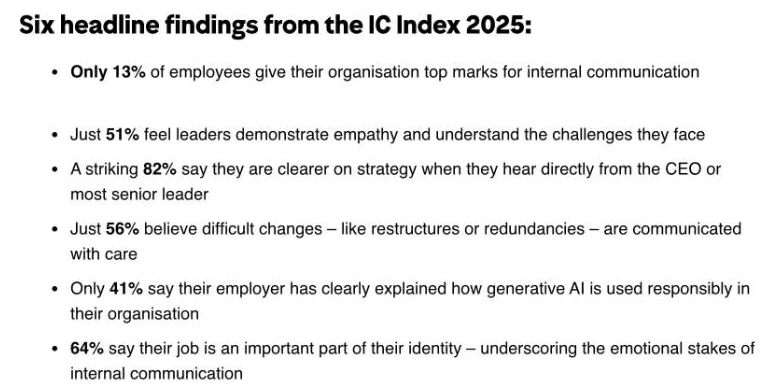
That works in any office and on any shift. The Institute of Internal Communication's IC Index 2025 surveyed almost 5,000 UK employees.
Only 13% gave their organization's internal communication top marks.
People use these channels only when it feels safe to speak up. Staff report risks and admit slipped tasks when the last person who did so got thanked for it.
Leaders can set that tone by naming their own mistakes first in the weekly meeting.
Active listening is the cheapest habit to teach and the hardest to keep. Before you answer a colleague, repeat their point in 1 sentence and ask if you got it right.
That adds about 15 seconds and catches a misreading before it turns into rework.
2. Define clear roles and responsibilities
Roles blur first in a growing company, because everyone used to do everything. On a client project, one person should own the budget, and another should own the client calls.
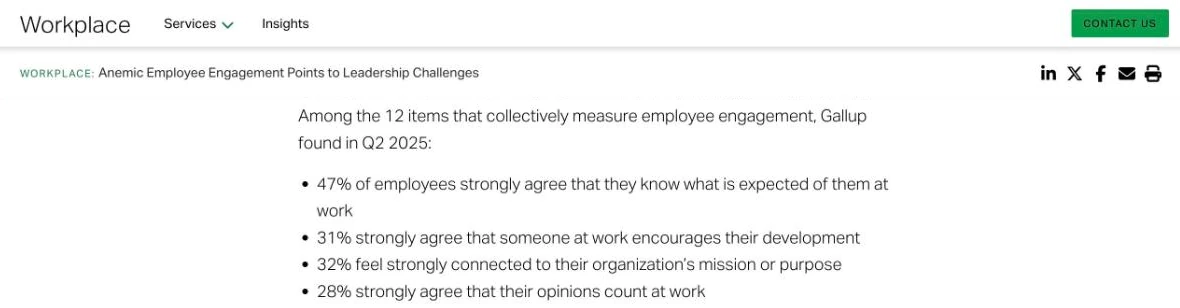
In Gallup's Q2 2025 data, only 47% of US employees strongly agreed they know what is expected of them at work. So more than half of employees are not fully sure what their job covers.
Unsure people tend to hold back or step on a colleague's work.
Take a product launch. Marketing owns the message, and engineering owns readiness and signs off on the date. Sales owns client outreach, and support owns the help docs.
Write that down in 4 lines and share it. The argument about who tells the client about a delay ends before it starts.
Tie each responsibility to the goal the whole team is chasing. When every owner can say how their piece moves the launch, handoffs get shorter.
Missing handoffs then show up in the plan, long before week 6. Review the written roles every quarter, because a growing company changes shape faster than its org chart.
3. Promote diversity of thought and knowledge sharing
A team that agrees fast often shares the same blind spot. Reverse mentoring breaks that pattern by letting junior staff teach senior staff.
The lessons usually focus on digital tools and how the work looks from the bottom of the org chart.
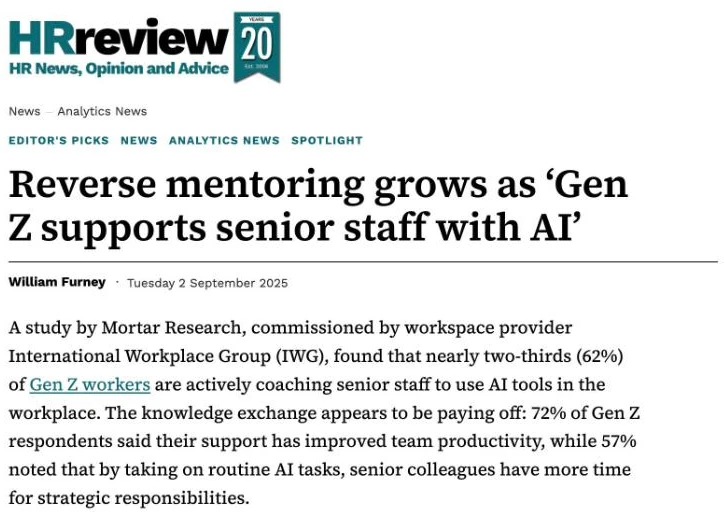
This already happens with AI tools. In IWG research from 2025, about 6 in 10 Gen Z workers said they help older colleagues learn to use AI.
A mentoring program only needs to put that habit on the calendar.
Brainstorming sessions need rules, or every idea starts to sound the same. Ask everyone to write ideas down before anyone speaks.
Then read them out with no names attached, so the loudest voice in the room does not set the direction.
Peer reviews add a second view. After each project, ask colleagues to fill in a short form that rates each person's work. Include tasks the manager never saw.
Leaders get a truer picture of who is carrying what. Quieter people get a way to be noticed.
4. Celebrate achievements and progress
Recognition is often the first habit a fast-growing company drops, because there is always another deadline.
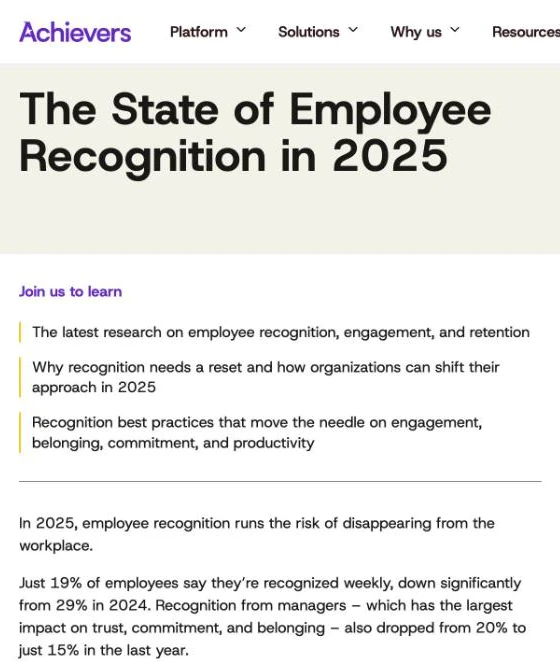
Achievers Workforce Institute's 2025 State of Recognition report surveyed 3,600 employees in 5 countries.
Only 19% said they are recognized weekly, down from 29% in 2024.
After a big client presentation, spend 10 minutes naming who did what. Credit the analyst who rebuilt the model at 11 p.m. and the designer who fixed the deck.
Specific credit tells the next team what good work looks like. A general thank you email tells them nothing.
Track milestones where the team can see them, on a shared board or a wall in the office. Mark each finished milestone in public.
Visible progress gives the group a shared record of what it has delivered. That matters most to people who joined after the early wins and only heard the stories.
5. Use collaborative exercises and decision-making methods
Group methods work best when people stop retyping the same job details into different tools. A glass and glazing firm, for example, can run each job through Glazier Software.
It keeps the quote, purchase order, schedule, and invoice in one job record. The office and the installers can then talk about the work itself, with no argument over whose spreadsheet is current.
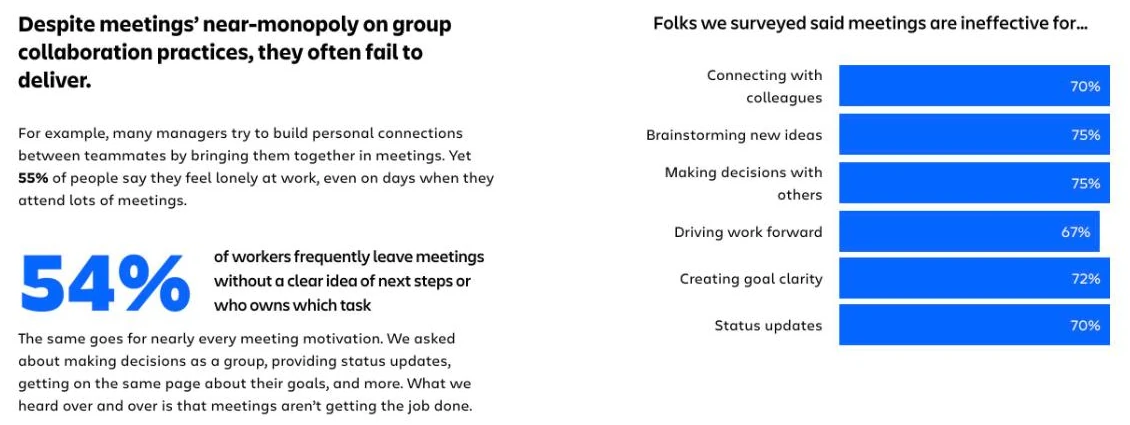
Meetings are the usual tool for group decisions, and they handle that job badly. In an Atlassian survey of 5,000 knowledge workers, 75% said meetings are ineffective for making decisions with others.
Choose the decision method before the discussion starts. Consensus suits choices the whole team has to live with, such as a new working hours policy.
A debate with an assigned devil's advocate suits risky bets. A straight vote suits low-stakes choices where speed matters most. One named decision maker suits choices that sit inside one person's area.
Agile methods give that structure a rhythm. Scrum fits teams that ship in fixed cycles, with a short planning session at the start and a review at the end.
Kanban fits teams with a steady stream of requests, since a visible board with a cap on work in progress shows where things pile up.
Team building and icebreaker sessions earn their bad name when they are generic. A “manual of me” session works better.
Each person writes up how they like to get feedback and how they prefer to be contacted. They also note what drains them and when they do their best work.
A new group gets practical facts it will use the following Monday.
Where to start
Do not try to roll out all 5 tips at once. Pick the one your team is already paying for.
If clients hear different answers from different people, start with roles. If good work goes unnoticed, start with recognition.
This week, write down who owns what on your 3 biggest projects.
Share that document with the whole team and put a review on the calendar for the end of the quarter.
Hold a 10-minute huddle on Monday and publish the list of owners by Friday.